
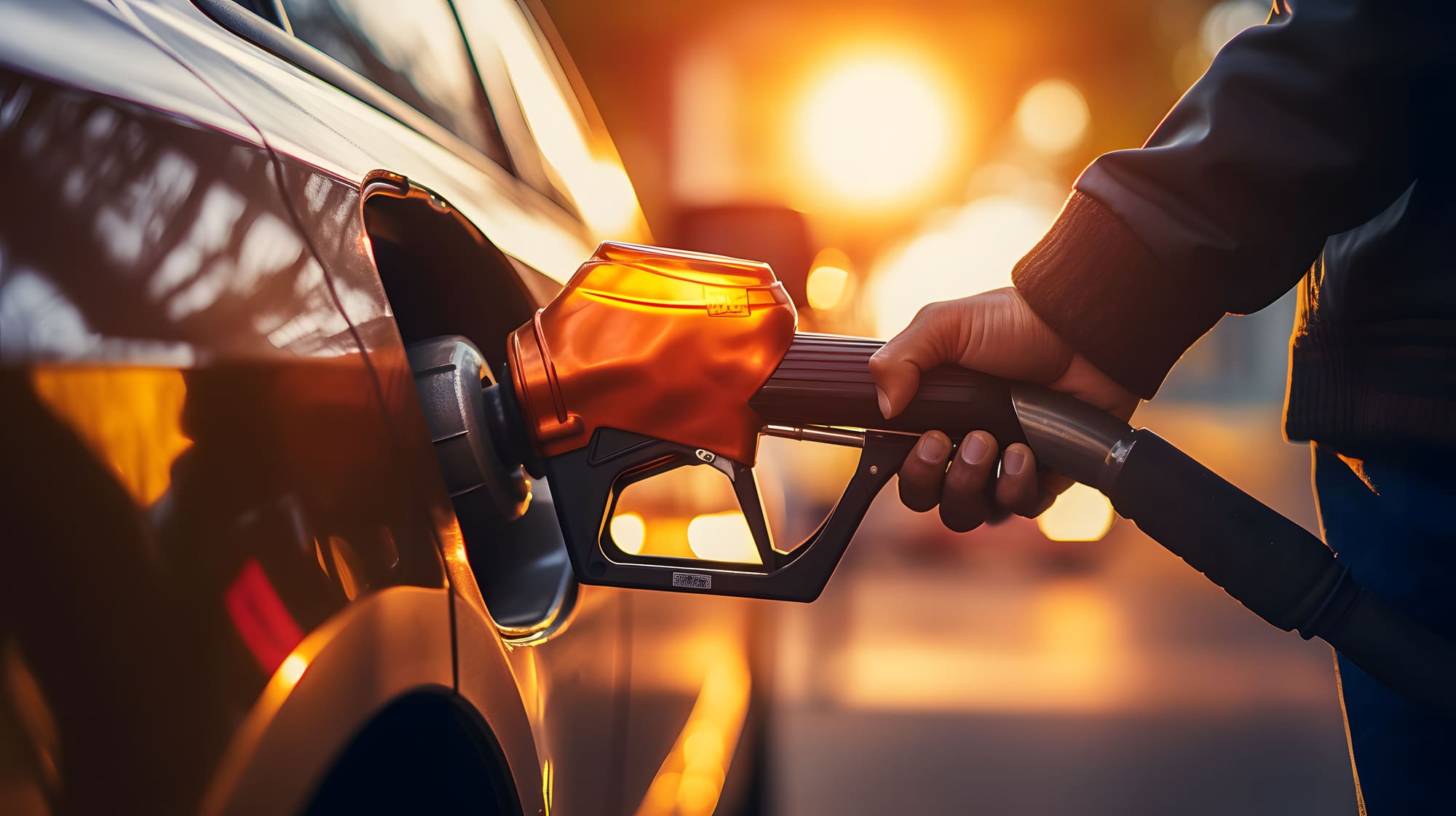
If you’re interested in sustainable mobility or have simply looked for where to refuel your vehicle with natural gas, you’ve probably come across natural gas refuelling stations. It’s not just another filling station or marketing gimmick: it’s a term that describes a specific type of service station that is gaining prominence in Spain and across Europe.
In this article, you’ll find a clear, easy-to-follow, jargon-free explanation of what a natural gas refuelling station is, which fuels it offers, how it operates, how it differs from a conventional filling station, and the role it plays in the shift towards cleaner mobility.
What exactly is a natural gas refuelling station?
Put simply, a natural gas refuelling station is a service station designed to supply vehicles with natural gas as a fuel. In most cases this means compressed natural gas (CNG), and in others liquefied natural gas (LNG), especially for heavy transport.
Unlike a conventional filling station, where the main fuels are petrol or diesel, the main product here is natural gas. The natural gas refuelling station network mainly serves CNG vehicles: cars, vans, and a portion of the professional transport sector.
It’s important to understand that natural gas refuelling stations are not a separate legal category: from a regulatory point of view, they are still a service station or a fuel supply facility. The difference lies in the type of energy they offer and in the technology needed to store and dispense it.
CNG, LNG and other gases: which type of fuel is available at a natural gas refuelling station?
When people talk about a natural gas refuelling station, they are almost always referring to vehicular natural gas (VNG), which can be supplied in two main forms: CNG and LNG.
CNG (compressed natural gas) is natural gas stored at high pressure, usually between 200 and 250 bar. It is kept at ambient temperature, but in a highly compressed state that allows enough energy to be stored in the vehicle’s tanks. It is the most common option for cars, vans, urban fleets, buses and lorries on short- or medium-distance routes.
LNG, liquefied natural gas, is the same gas but cooled to around –160 °C until it becomes a liquid. It occupies much less volume than in its gaseous state, resulting in greater range per tank. That is why it is mainly used in long-distance heavy transport, where covering many kilometres between refuelling stops is essential.
In some contexts, people also refer to natural gas refuelling stations when they include renewable gases such as biomethane, which is very similar to natural gas but produced from organic waste. This renewable gas can be injected into the network and delivered to natural gas refuelling stations, further reducing the carbon footprint of transport.
How a natural gas refuelling station works in practice
From the user’s point of view, refuelling at a natural gas refuelling station is not very different from doing so at a traditional filling station. You drive into the facility, park the vehicle beside the appropriate pump, connect the hose, and begin refuelling while following basic safety rules.
However, behind this seemingly simple experience lies specialised infrastructure. A CNG refuelling station typically connects to the natural gas network and includes compressors that raise gas pressure to service levels, intermediate storage in cylinder racks, and dispensers that couple gas‑tight to the vehicle’s filling point.
In the case of LNG, the facility includes a cryogenic tank that keeps the gas in a liquid state at very low temperatures, insulated pipework, and dispensers designed to handle the product safely. Refuelling follows procedures that prevent leaks and ensure the supplied quantity is controlled, in the same way as when refuelling with petrol or diesel.
Very strict safety measures are applied in all cases: leak detection, adequate ventilation, limiting ignition sources, clear signage and regular inspections of equipment and tanks in accordance with current regulations. Somewhat surprisingly, natural gas has physicochemical properties that make it particularly safe when handled correctly, since it is lighter than air and tends to disperse upwards.
How a natural gas refuelling station differs from a conventional filling station
The biggest difference lies in the fuel supplied: natural gas instead of petrol or diesel. But there are other, less obvious details.
A traditional filling station is primarily designed for liquid fuels. Its tanks are located underground, and the fuel is distributed through pumps that deliver it to the dispensers. In a CNG natural gas refuelling station, the gas network itself can act as the “store”, while the core of the facility is the set of compressors. In an LNG station, the key element is the cryogenic tank with its refrigeration and insulation system.
Another important difference has to do with the available network. While filling stations can be found in practically every municipality, the network of natural gas refuelling stations is still expanding. In Spain, the latest data indicate about 256 natural gas refuelling stations (CNG and LNG), with several dozen more planned, and coverage mainly concentrated along major logistics corridors and in metropolitan areas.
The user profile can also differ. The main users at conventional filling stations are private cars, while at many natural gas refuelling stations much of the demand comes from professional fleets, lorries, urban buses and municipal service vehicles.
Advantages of refuelling at a natural gas station
The growing interest in natural gas refuelling stations is no coincidence. It reflects several advantages that natural gas for vehicles offers compared to traditional fuels.
From an environmental standpoint, natural gas enables a substantial reduction in nitrogen oxide (NOx) and particulate emissions compared to diesel, resulting in a direct improvement in urban air quality. CO₂ emissions per kilometre are also generally lower; when biomethane is used, the carbon footprint can drop markedly, in some cases approaching carbon neutrality (depending on the biogas source).
Economically, the cost per kilometre travelled with CNG or LNG is usually competitive compared to petrol or diesel, especially for fleets that clock up many kilometres per year. This is due both to the price of gas and to the efficiency of engines designed or adapted for natural gas vehicles.
There are also operational advantages. Many gas engines generate less noise than their diesel equivalents, something that is particularly appreciated in urban environments and in night-time operations. Refuelling is relatively quick, and the achievable range with LNG enables long-distance routes to be planned with minimal stops.
All this explains why more and more transport operators, distribution companies and municipal services are including gas-powered vehicles in their fleets and making regular use of the natural gas refuelling station network.
Who uses natural gas refuelling stations today?
Natural gas refuelling stations are designed to serve several types of users. In the professional sector, haulage companies play a leading role, using both CNG and LNG according to their routes, along with logistics firms aiming to reduce operating costs and emissions without sacrificing long range.
Local councils and public service operators are also key players. Many urban buses, refuse collection lorries and street-cleaning vehicles run on compressed natural gas, which reduces noise and emissions in cities. Some fleets refuel at public natural gas stations and others at private on-site facilities, but their basic operating principle remains the same.
Alongside them is a niche of private users and small businesses choosing bi-fuel (petrol and CNG) vehicles or those converted to run on natural gas, particularly in areas with nearby natural gas refuelling stations. Although it is still a minority segment compared to conventional engines or hybrids, the growing availability of stations and the search for more economical alternatives are slowly driving this market.
Current situation and future of natural gas refuelling stations in Spain
The natural gas refuelling station network in Spain is going through a phase of consolidation and selective growth. The number of CNG and LNG stations has increased in recent years, with a presence along the main transport corridors and in large metropolitan areas. At the same time, new projects continue to be announced to cover strategic areas and improve network density.
This development is closely linked to transport decarbonisation targets and air quality policies. Natural gas for vehicles is seen as a transition solution that allows emissions to be reduced immediately in segments where full electrification still poses technical or economic challenges, such as long-distance heavy transport.
The role of biomethane will be crucial in the coming years. As production and injection of this renewable gas into the network increase, natural gas refuelling stations will be able to supply a mix with an ever-greater renewable share, further reducing the carbon footprint per kilometre travelled. In practice, users will refuel at natural gas refuelling stations in the same way as they do today; however, the energy will come from an increasingly sustainable source.